
Digital signing of documents – this is how it works in practice
📌 Updated January 2026: The article has been updated with new and expanded information about digital signing and practical use in modern solutions.
This is a practical guide to digitally signing documents in businesses and projects. In the guide, we explain what a digital signature is, how digital signing works step by step, and what advantages electronic signing provides in practice.
The guide is particularly relevant for businesses that handle contracts, agreements and project documentation digitally.
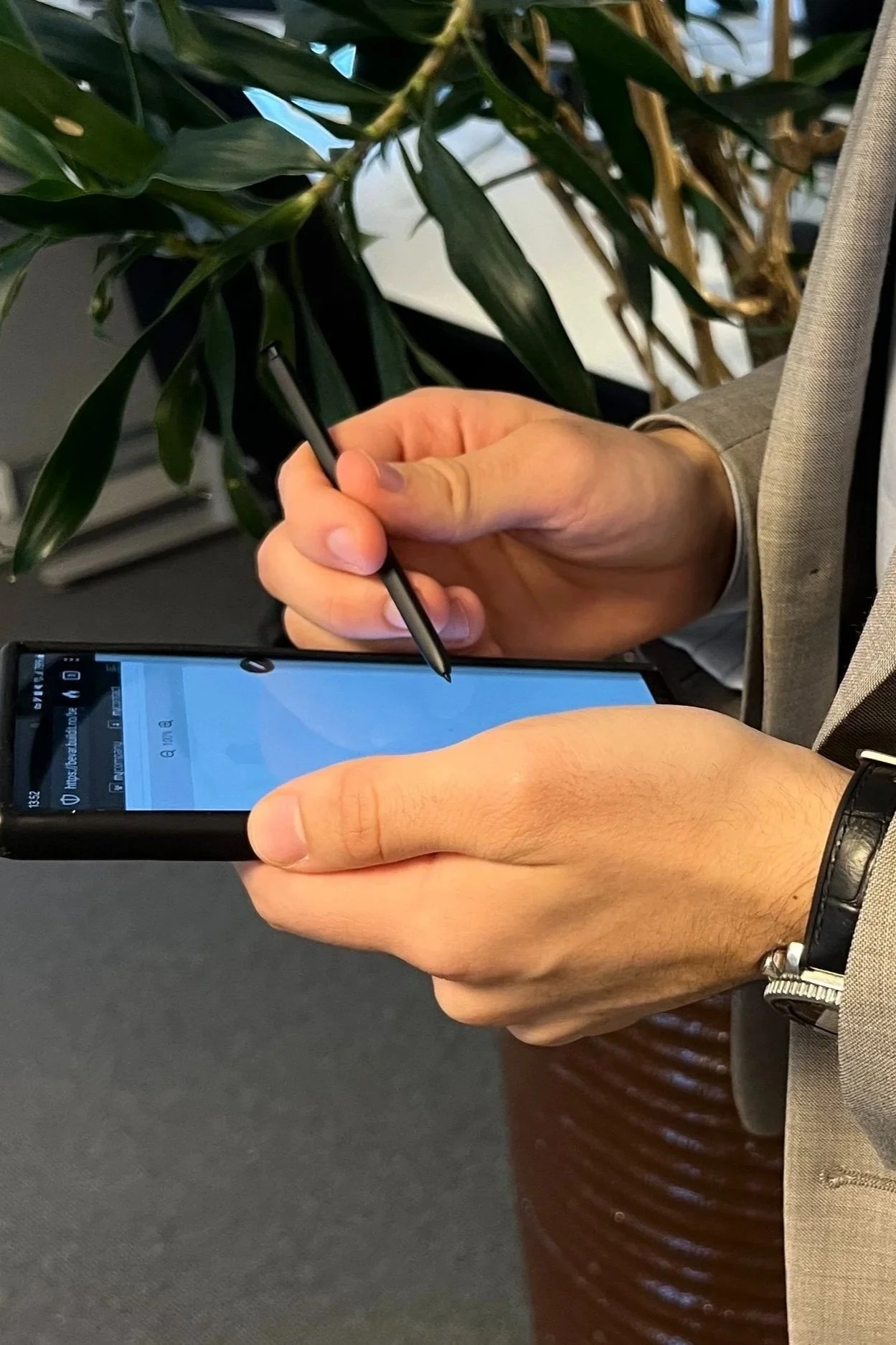
What is Digital Signature?
A digital signature is an electronic method of signing documents, where encryption is used to ensure both the identity of the signer and the integrity of the document. This means that the document cannot be changed after it has been signed, and that the signing can be verified afterwards.
Unlike a simple electronic signature (such as an image of a signature), a digital signature is linked to technical security mechanisms that make it legally verifiable.
Digital signatures are used today in everything from contracts and offers to employment agreements and project agreements – especially in industries with high requirements for documentation and traceability.
How digital signing works step by step
The digital signing process is simple and efficient, and can be completed in a few minutes:
Create the document
The document is uploaded or generated digitally.Add signing parties
You choose who will sign, and possibly the order of the signings.Send the document for signing
Recipients receive an invitation via email or a secure portal.Signing is done electronically
The signing takes place digitally, often using BankID or similar authentication.The document is completed and saved.
Once all parties have signed, the document is saved with full history and traceability.
This process is typical of modern digital signing solutions, where the entire signing process is documented and can be verified afterwards.
Is digital signature legally binding?
Yes, digital signatures are legally binding in Norway, as long as the solution meets requirements for secure identification and document integrity. In practice, this means that the signing can be linked to the correct person, and that the document cannot be changed after signing.
Many solutions use BankID or equivalent secure authentication, and are in line with current regulations for electronic signatures.
Advantages of Digital signing
Digital signing offers a number of advantages compared to manual paper-based processes:
Time saving
Documents can be signed in minutes – regardless of where the parties are located.Reduced risk of error
Built-in checks ensure that all required fields are filled in before signing.Higher security
Encryption and authentication protect documents from unauthorized changes.Full traceability
You get an overview of who has signed, when it was signed, and the entire signing history.Less paper and easier archiving
Digital documents are stored electronically and are easy to find again.For businesses that handle many documents and agreements, digital signing provides both better control and significantly reduced administrative burden.
Example: digital signing in practice
In practice, digital signing is used through dedicated solutions that are developed for secure document management and efficient signing flow.
With digital signing in buildit, documents can be created, sent and signed electronically directly in project work. Signed documents are linked to the correct project and stored with full history and traceability.
When digital signing is integrated into the same solution as project and document management, the risk of errors is reduced, and you eliminate manual intermediaries and separate systems. This is especially useful in project-based industries with many parties, contracts and changes – such as construction, civil engineering and real estate projects.
Who benefits from digital signing?
Digital signing is used today by businesses in most industries, but is particularly useful for:
Contractors and subcontractors – contracts, offers and change agreements
Project managers – better control and traceable documentation
HR and administration – employment contracts and internal agreements
Small and medium-sized businesses – less administration and faster processes
In short: Anyone who handles documents that need to be signed.

Frequently asked questions about digital signature
Below we have collected answers to common questions about digital signatures.
-
Electronic signature is a broad term. Digital signature is a technically and legally more secure variant that uses encryption.
-
Yes, digital signatures are valid in construction projects, as long as the signing meets requirements for secure identification and document integrity. Digital signatures are currently used for contracts, change agreements, offers and other project documents in construction, and provide the same legal validity as traditional signing on paper.
-
No. Any changes will break the signature and become visible.
-
You need a solution for digital signing and a method for secure authentication of the signatories, such as BankID.
In summary
Digital signing makes document management faster, safer and more transparent. By moving away from paper and manual processes, you reduce errors, save time and gain better control over documentation.
This article is intended as a guide to how digital signing works. If you want to see how this can be solved in practice in one comprehensive solution, you can read more about digital signing in buildit .
