
Roles and responsibilities in construction projects – who is responsible for what?
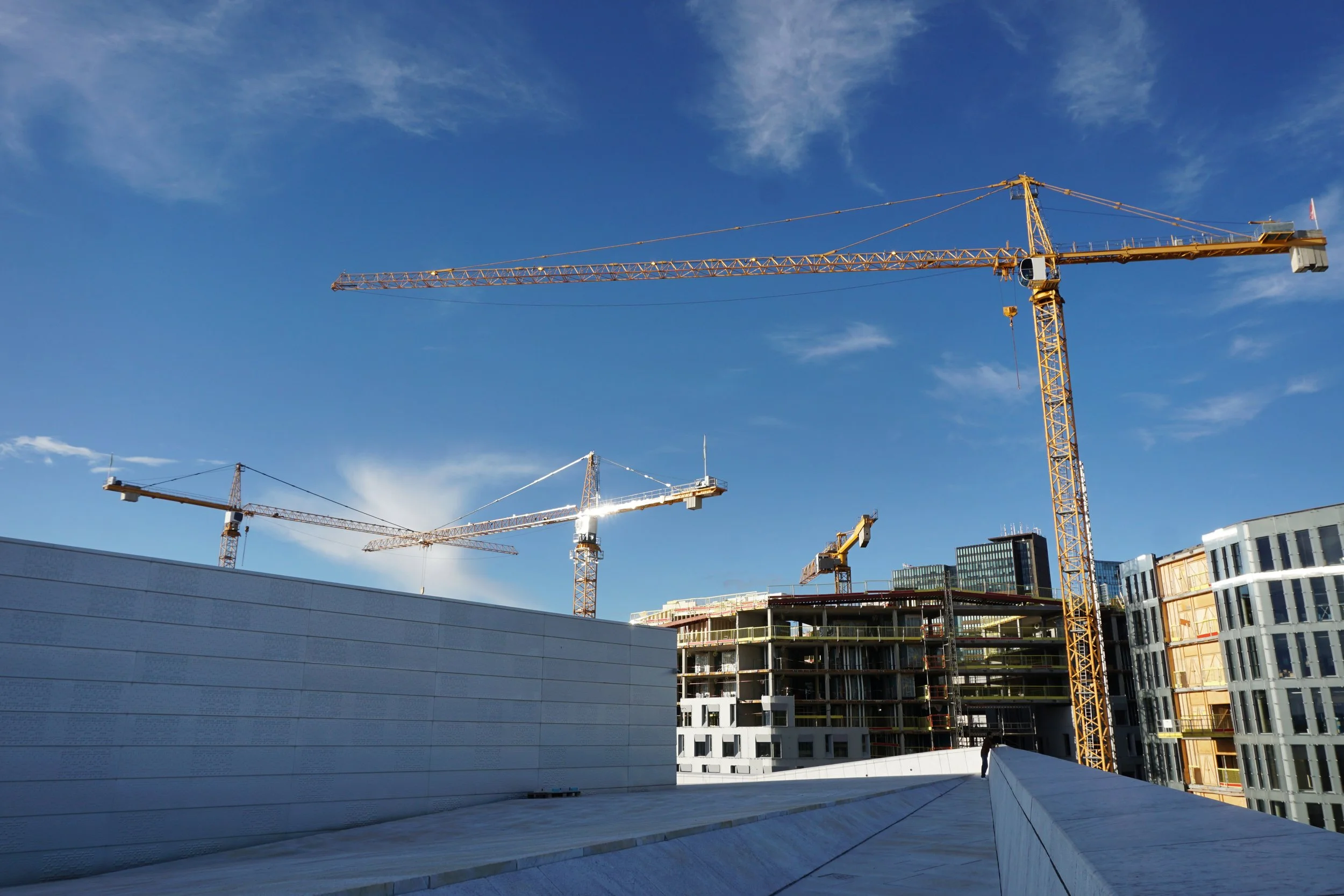
Construction projects involve many actors with different roles and responsibilities. The client, project manager, designers, contractors and subcontractors must work closely together to ensure the project is completed safely, efficiently and in accordance with requirements.
When roles and responsibilities are clearly defined, decisions are easier to make, follow-up is more effective and the risk of misunderstandings is reduced.
However, when responsibility is unclear, it can lead to delays, deviations and conflicts in the project.
In short: Unclear responsibility often leads to lack of follow-up.
This article provides an overview of roles and responsibilities in construction projects, what they are responsible for, and why clear division of responsibilities is crucial for good project management in construction.
👉 For a comprehensive review of project management, see also: Project management in construction - complete guide
When roles are unclear, problems arise in the project
Many challenges in construction projects are not necessarily due to technical problems or lack of expertise. Often it is about unclear roles and responsibilities in the project.
When it is unclear who is responsible for progress, follow-up on deviations, or coordination between disciplines, small challenges can develop into larger problems.
Typical consequences can be:
decisions that take too long
deviations that are not followed up
misunderstandings between contractors and designers
conflicts between actors in the project
Clear roles and responsibilities are therefore an important part of good project management in construction .
Why clear roles are crucial in construction projects
Construction projects are complex. Multiple disciplines, suppliers and stakeholders must collaborate within set time, cost and quality constraints.
When responsibilities are clearly defined, it becomes easier to:
make decisions quickly
coordinate work between disciplines
manage risk and deviations
ensure progress in the project
follow up on safety and quality
However, when responsibility is unclear, important tasks can fall between several actors.
Therefore, clear role allocation is a fundamental part of structured project management.
👉 Also read: How HSE, KS, SHA and project management are interconnected in construction
The most important roles in construction projects

In construction projects, there are several key roles with different areas of responsibility. The interaction between these roles is crucial for the project to be carried out efficiently and safely.
Builder
The client is the one who orders the project and has the overall responsibility for ensuring that the project is planned and implemented in accordance with applicable regulations.
The client is responsible for, among other things:
to define the project's goals and framework
to engage designers and contractors
to ensure that safety, health and working environment requirements are met
An important responsibility under the Building Owners' Regulations is to ensure that a SHA plan is prepared for the project.
👉 Read more: SHA plan in construction - requirements and content
Project manager
The project manager is responsible for the daily management of the project.
Typical tasks for a project manager are:
planning progress
coordination between actors
monitoring of finances and resources
handling of changes and deviations
communication between client and contractors
The project manager is often the one who ensures that the project stays on course throughout its implementation.
👉 Read more about how project management works in practice: Project management in practice in construction
Projecting
The designers are professionals who develop and document the technical solutions in the project.
This could be:
architects
consulting engineers
technical advisors
The designers are responsible for ensuring that solutions and drawings meet requirements for quality, safety and regulations.
Contractor
The contractor is responsible for the actual execution of the work on the construction site.
This includes, among other things:
organization of work on a construction site
coordination of own subjects and deliveries
monitoring of quality and progress
documentation of work performed
The contractor is also responsible for ensuring that work is carried out in accordance with applicable safety and working environment requirements.
Subcontractors
Subcontractors often perform specialized trades in the project.
Examples could be:
electrical installations
ventilation
pipework
concrete work
Subcontractors usually work under the main contractor and follow the project's progress schedule and requirements.
SHA Coordinator
In many projects, a SHA coordinator is appointed.
This role is responsible for coordinating work on safety, health and the working environment in the project.
The SHA coordinator contributes to, among other things:
follow-up of the SHA plan
coordination between actors
identification and follow-up of risk factors
The purpose is to ensure that safety is maintained throughout the entire project.
How roles and responsibilities affect project progress
The progress of a construction project is directly affected by how roles and responsibilities are organized.
When responsibilities are clearly allocated:
decisions are made faster
coordination between disciplines works better
Risk can be identified earlier
deviations can be handled more effectively
When responsibilities are unclear, even small challenges can cause major project delays.
This is also closely linked to risk in construction projects , because lack of follow-up or coordination can lead to unforeseen events and delays.
👉 Read more about how risk is managed in construction projects: Risk and uncertainty in construction projects - from assumptions to manageable control
Common challenges when roles and responsibilities are unclear
Even in well-planned projects, unclear roles can lead to challenges.
Some of the most common problems are:
unclear responsibilities between actors
lack of coordination between disciplines
deviations that are not followed up
decisions that take too long
conflicts between contractor and designer
When such challenges arise, it often affects both the progress, quality and finances of the project.
Briefly explained – roles in construction projects
Below is a simplified overview of the most important roles and responsibilities in a construction project.
| Role | Main responsibility |
|---|---|
| Builder | Orders the project and has overall responsibility for ensuring that the project is carried out in accordance with regulations. |
| Project manager | Manages progress, coordination and follow-up of the project. |
| Projecting | Develops technical solutions, drawings and descriptions. |
| Contractor | Performs work on the construction site and follows up on progress and quality. |
| Subcontractors | Conducts specialized subjects in the project. |
| SHA Coordinator | Coordinates safety, health and working environment in the project. |
When these roles work well together, the project becomes more predictable and efficient.
In summary
Construction projects involve many actors with different roles and responsibilities.
When responsibility for progress, safety, quality and documentation is clearly defined, collaboration becomes easier and the project more predictable.
Clear roles and responsibilities are therefore an important prerequisite for good project management in construction.
When all stakeholders know who is responsible for what, the risk of misunderstandings, delays and conflicts in the project is reduced.
